
Here’s the thing. I spent months juggling multiple extension wallets and losing time. At first I liked the convenience of a browser plugin, but something felt off. Initially I thought more wallets meant more safety, but then I realized adding extensions without vetting their UX flows or permission models actually increases attack surface for everyday users who just want to use DeFi and not read docs. My instinct said: focus on usability and security together.
Whoa, seriously. Rabby popped up while I was testing swaps across chains. It felt leaner than other extensions and had clearer permission requests. On one hand I trusted my instincts, though actually I still ran code reviews and dug into open source repositories to verify there wasn’t some hidden telemetry or opaque dependencies that would surprise me later. I wasn’t 100% sure, but the tradeoffs seemed reasonable.
Really? The UX is pragmatic: account management, easy network switching, and handy gas controls. It supports EIP-1559 and common wallet standards that devs care about. I tested a dApp flow where I delegated tokens, canceled a pending tx, and switched networks mid-flow, and Rabby handled the state transitions smoothly without orphaned approvals or confusing modal loops that trip up newcomers. That reliability matters especially when gas spikes and people panic.
Hmm… Security features include a built-in transaction guard and clearer transaction breakdowns. Those breakdowns show exactly which token approvals are requested and why. Initially I thought transaction guards would be overkill for regular users, but then I realized that many scams are social-engineered and a well-timed, prominent warning can prevent costly mistakes even for experienced users. Here’s what bugs me about other wallets: opaque approvals and confusing gas UI.
Okay, so check this out— Rabby integrates with hardware wallets which is a big plus for me. I plugged in my Ledger and the experience was smooth, though I did need to approve a couple of device prompts (oh, and by the way… make sure your firmware is up to date). On the developer side the extension exposes standard RPC behaviors and supports custom networks so building integrations or testing local forks is straightforward, which helped when I was debugging contract interactions on a staging environment last month. So yes, for power users it’s friendly and for casual users it’s not overwhelming.
I’ll be honest… No wallet is perfect and no browser is a sandbox. You still need good habits: hardware keys, seed backups, and a separate browser profile for risky sites. On one hand browser extension wallets give great convenience and developer tooling, though actually they increase exposure compared to cold wallets and require continuous vigilance about malicious extensions, fake updates, and phishing clones which is why community vetting and open source matters so much. If you want to try it, search thoughtfully and start small with tiny amounts.
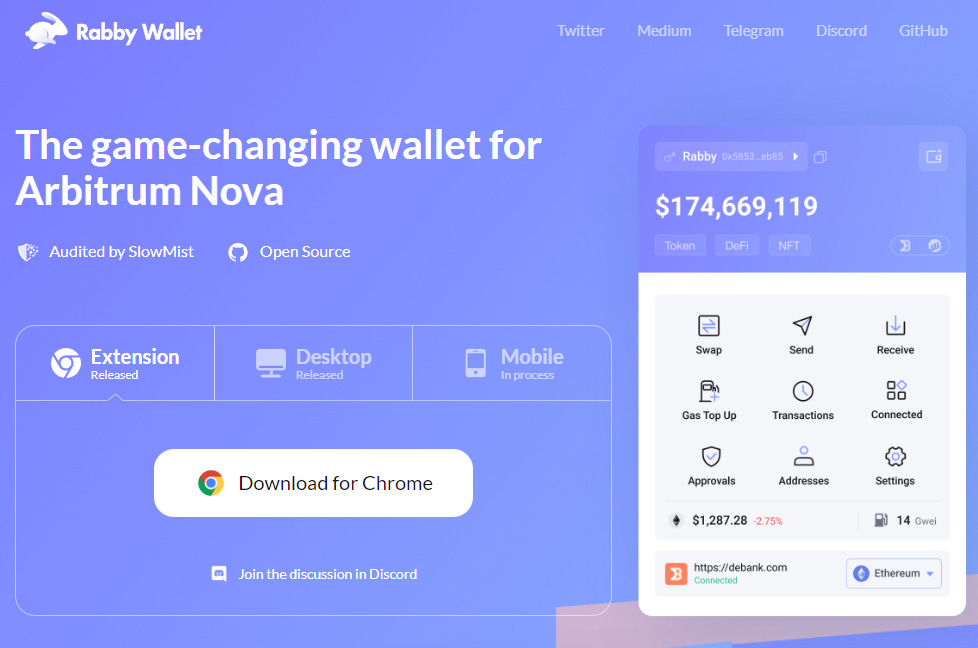
How I use Rabby in my workflow
Check this out— I’ve bookmarked the safest install page and rechecked the fingerprints before sharing. If you want to try it yourself, go to rabby and follow the setup steps there. Initially I thought recommending a page would be pushy, but then realized that pointing people to a vetted install source actually reduces the chance they’ll click a fake extension in a search result, and that’s worth being slightly opinionated about. I’m biased, but I’d start small: create a watch-only account first and test with tiny amounts.
So yeah. Rabby isn’t a silver bullet, but it balances usability with sensible security defaults. It fits my workflow and reduced friction when moving assets across L2s. On the whole, switching to a wallet that prioritizes clear transaction details and easy hardware integration means fewer frantic nights checking tx hashes and more time actually building or using apps, though you’ll still need basic discipline and a little skepticism. I’d rather be slightly paranoid and safe than casual and regretting something later.
Common questions
Is Rabby safe to use?
Short answer: relatively, when you follow basic safety steps. Use a hardware wallet for large sums, double-check install sources, and keep browser profiles separated for high-risk activity. Also, vet the extension’s release notes and community discussions—there’s no substitute for eyeballing changes yourself.
Can I recover my accounts if I lose my device?
Yes, via seed phrase recovery like most HD wallets. Write it down and store it offline. I’m not 100% sure everyone does that (many don’t), but it’s very very important—treat it like cash.